The Future Prospects of Aerial Observation: Insights from Drone Pilots
In recent years, the field of drone monitoring has seen a notable transformation, primarily driven by developments in drone technology and the insights from those who operate these UAVs. Drone pilots play a key role in this evolution, bringing their skills and practical knowledge to the forefront of aerial operations. As fields increasingly utilize drones for purposes including property photography to precision surveying, understanding the subtleties of drone operation becomes crucial for maximizing productivity and safety.
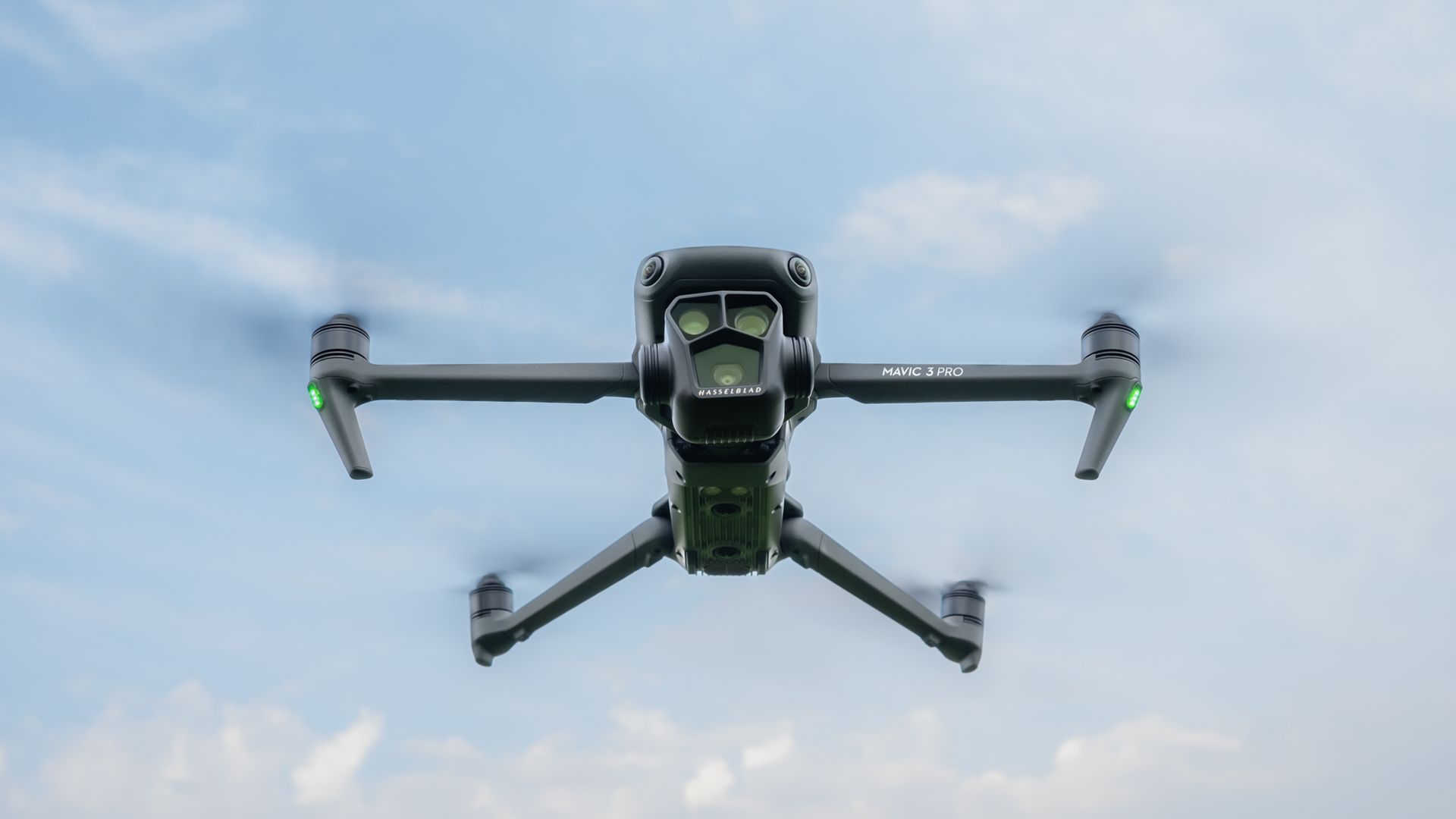
This article delves into the different facets of drone piloting that contribute to effective aerial surveillance. We will examine key topics such as navigating FAA Part 107 waivers for night flying, the details of controlled airspace documentation, and the differences between mechanical and electronic shutters in aerial mapping. By highlighting the skills and skills required for effective drone operations, we aim to provide valuable insights for both aspiring pilots and seasoned professionals looking to enhance their aerial surveillance skills.
Navigating FAA Rules and Waivers
Understanding FAA regulations is crucial for drone pilots operating commercially. The FAA’s Part 107 regulations define guidelines for flying drones in the U.S., comprising aspects such as flying over people, night operations, and airspace classifications. For Drone Pilots Cawdor Inverness-shire looking to perform operations beyond the standard rules, securing a waiver is necessary. Navigating this waiver process demands diligent preparation and adherence to particular guidelines outlined by the FAA, such as providing a convincing rationale for the request, detailing safety measures, and showing the pilot's experience.
When arranging to apply for a waiver, it is important to gather the necessary documentation. Specific details must be submitted regarding the proposed operation, risk assessments, and mitigations for safety concerns. For night flying, pilots must show that their drone is equipped with suitable lighting, while operations over people may require additional safety protocols. As such, each application should be thorough, outlining how the proposed operation will comply with safety standards and contribute to the overall integrity of airspace.
Additionally, comprehending the process of utilizing LAANC (Low Altitude Authorization and Notification Capability) can substantially enhance a pilot's ability to navigate controlled airspace. Pilots must stick to the LAANC system to gain automated approval for flying within controlled airspace, knowing the limitations and requirements of their operation. This knowledge not only facilitates legal compliance but also guarantees safer operations, ultimately contributing to the community's acceptance of drone usage.
Advice for Aerial Activities
When navigating aviation guidelines, understanding the requirements for night flying and conducting activities near individuals is important. Obtaining a Part 107 waiver involves providing a complete safety management plan that addresses potential threats associated with reduced visibility and proximity to individuals. Drone pilots must get acquainted with the specific forms required to navigate restricted airspace, often utilizing the Low Altitude Authorization and Notification Capability (LAANC) system. Drone Pilots Barra Inverness-shire allows for smooth access to controlled airspace while ensuring safety and compliance with national laws.
Magnetic interference is another major factor that drone pilots must consider, as it can disturb the compass and IMU tuning of their drones. Pilots should consistently monitor for potential sources of magnetic interference in their flying environment, especially during accurate activities like 3D modeling. Proper setup processes, including appropriate site selection and follow-up inspections, can help mitigate the effects of magnetic interference, ensuring correct flight activities that are essential for tasks such as land assessment and evaluation.
The choice between mechanical and electronic shutters is also a key aspect in drone mapping. Mechanical shutters tend to yield sharper pictures with minimal distortion, while electronic shutters can lead to issues like distortion during motion, particularly in rapid actions. Understanding these differences helps drone pilots select the most suitable camera configuration for specific tasks, such as producing accurate three-dimensional images or conducting inspections, where photographic fidelity directly influences the success of data refinement and assessing results.
Best Practices for Business Drone Pilots
For professional drone pilots, adherence to FAA guidelines is paramount. Understanding how to navigate Drone Pilots Inverness Inverness-shire for night flying and operations over people can significantly enhance the scope of services offered. Pilots should meticulously gather the specific requirements required to clear controlled airspace using the LAANC system, ensuring compliance and smooth operations. Keeping updated of any changes in regulations and regularly updating knowledge will help maintain a leading edge in this evolving industry.
Another vital aspect is the technical competency related to aircraft maintenance and sensor operation. Pilots must recognize the mechanics behind equipment, such as the actual difference between mechanical and electronic shutters in drone mapping. This knowledge not only impacts imaging quality but also determines how different circumstances affect flight tasks, such as how magnetic interference can impact drone compass and IMU calibrations. Keeping the drone in peak working condition through routine checks, including the vital process of cleaning and maintaining camera sensors and gimbal bearings, is necessary for consistent performance.
Lastly, developing a structured professional flight log is essential for any professional pilot, especially when dealing with insurance requirements. Understanding what drone underwriters look for in a commercial liability insurance policy will help in preparing appropriate paperwork, and keeping a well-documented log can facilitate smoother audits. Also critical is airspace awareness, including how airspace classifications restrict unmanned flight altitudes near regional airports. By following these recommendations, commercial drone pilots can successfully enhance protection, effectiveness, and professionalism in their operations.